A living archive for your family
Every family has a story.Arbura helps you prove it.
Bring together your tree, documents, photographs, and unanswered questions. Arbura follows the clues, keeps the sources attached, and leaves every conclusion in your hands.
Private by design Sources stay attached You approve changes
Possible matchEvelyn Mercer1907 · Toronto
Research questionWhen was Evelyn born?3 sources ready for review
How Arbura works
From family fragments to a story you can trust.
Start wherever you are. Arbura brings structure to the material you already have, then helps you investigate what is still missing.
The AI proposes.The sources explain.You decide.
01
Birth certificateCardiff · 1875Record
Mercer family.ged42 people · 18 sourcesTree
Family photographMontreal · 1904
Your starting point
Bring what you know
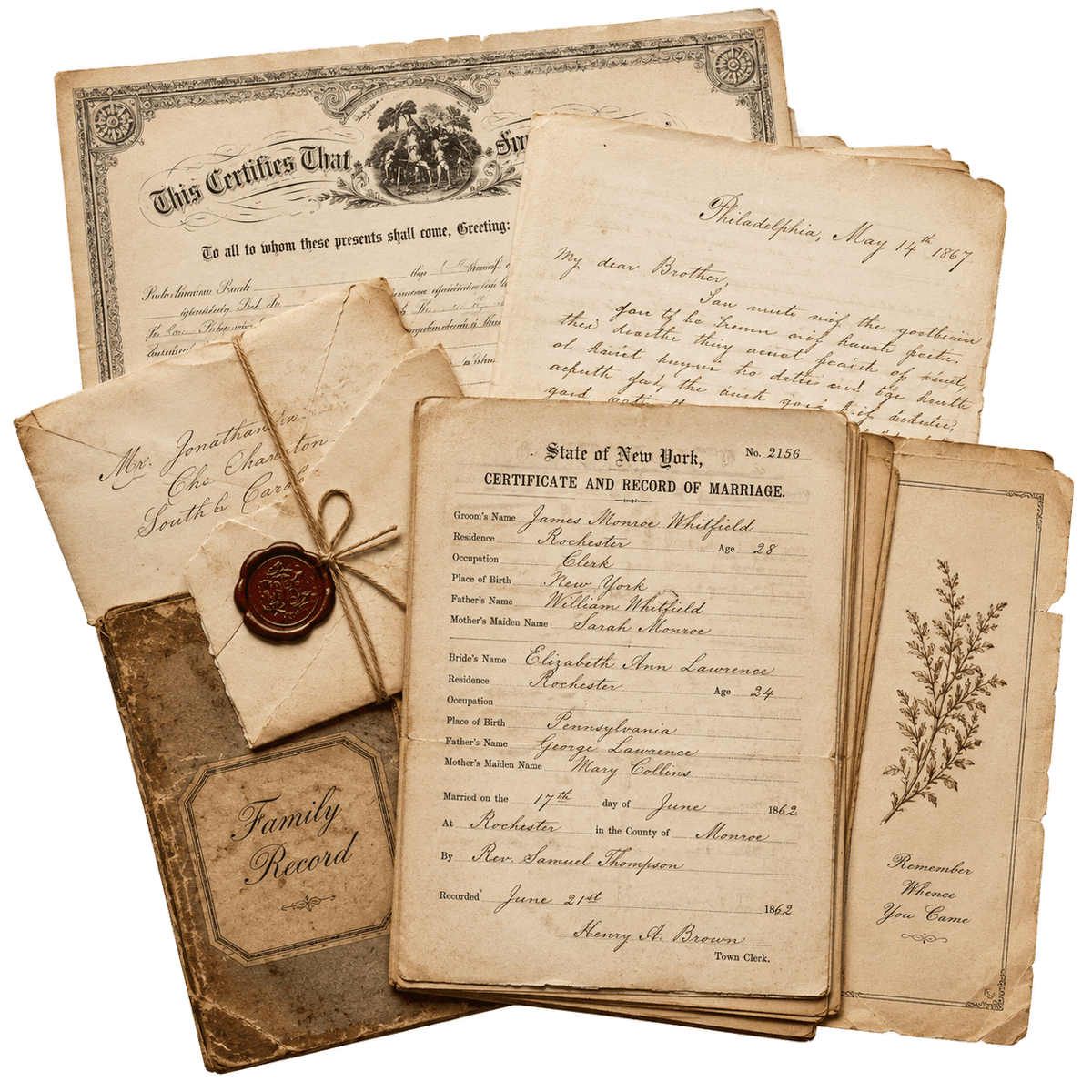
Add a GEDCOM, a certificate, a photograph, a note—or simply the name of one person.
- Family trees
- Documents
- Photographs
- Memories
02
ResearchingEvelyn Mercer · Toronto · 1907
FamilySearch BC Archives Directories
Possible matchEvelyn M. Mercer82%
A visible research trail
Follow the clues
Arbura reads your material, searches for records, compares possible matches, and remembers dead ends.
- Names and places
- Records searched
- Possible matches
- Open conflicts
03
Proposed factDeath · 1974Needs review
3 sourcessupport this date
1 recordshows a conflicting date
Keep openReview evidence
A decision you own
Decide what belongs
Review the evidence in plain language before accepting a fact or changing a relationship.
- Evidence summary
- Source links
- Confidence
- Accept, edit, or leave open
Source-linked research
Follow a question from clue to conclusion.
Research should feel understandable, not mysterious. Arbura shows where it searched, what it found, what conflicts, and why a conclusion still needs your judgment.
Searches stay visibleSee repositories, queries, matches, and negative searches.
Evidence stays connectedOpen the record behind any proposed fact or relationship.
Uncertainty stays honestConflicts remain unresolved until the evidence is strong enough.
Open question Waiting for review
When did Evelyn Mercer die?
Two family records disagree. Arbura searched independently before asking for a decision.
- ScopeIdentity and known places
- SearchArchives and collections
- CompareDates, names, households
- 4DecideYour judgment
BC ArchivesNo matching registrationNo match
Family recordDeath recorded as 1974Conflict
City directoryLast known residence, 1973Relevant
A tree you can explore
See the whole family. Open any story.
Every person can carry the records, questions, relationships, and decisions that explain how they belong.
Select a person to explore the evidence behind their story.
Loading sample tree...
Begin with one question
What have you always wanted to know about your family?
Join Arbura early access and bring an unfinished tree, an old document, or one stubborn family mystery.
Your family material stays private. You remain in control.